The Truth About Owning a Campsite: What No One Tells You Before You Buy
So you’re thinking about buying a campsite.
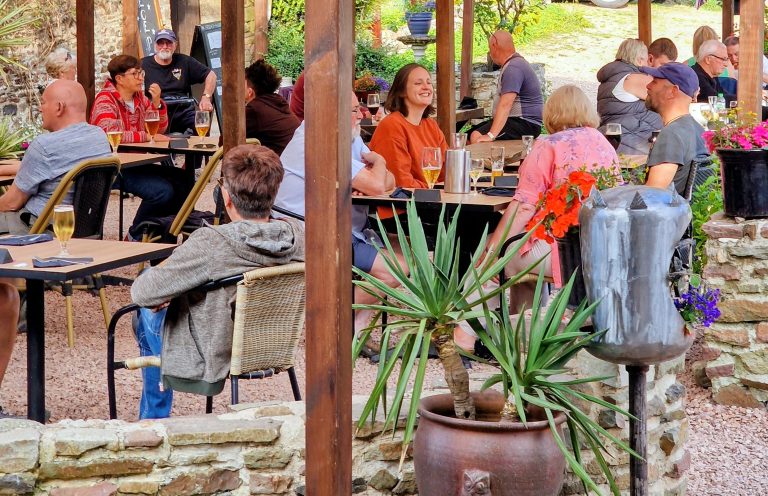
You’ve scrolled through the listings, watched the drone videos, imagined yourself carrying a tray of coffees through dappled sunshine while guests say things like “this place is magical”.
That part does happen.
But there’s a whole other side no one really talks about – especially if your site is seasonal, not open all year.
I’m not here to scare you off. I’m here so you walk into it with your eyes open, slightly better prepared than we were.
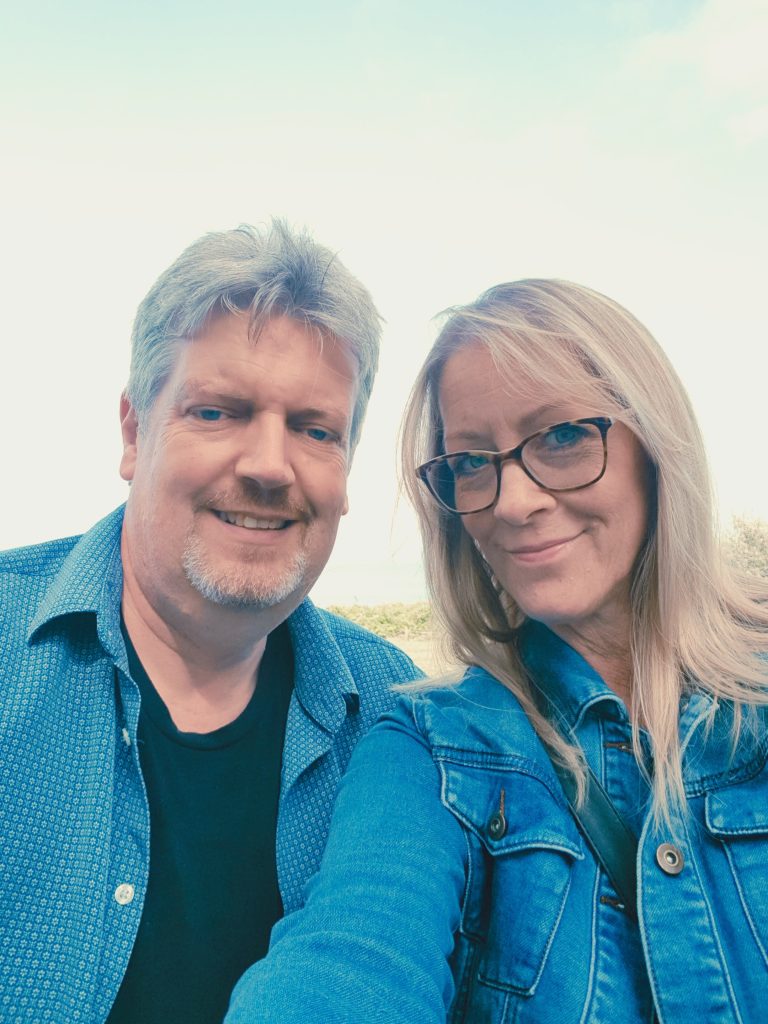
My husband and I own and live on our #1 rated small family campsite in Normandy, France.
Free 90-Day Off-Season Income Plan (for campsites + seasonal hospitality)
- Simple weekly actions (no fluff)
- Built for seasonal businesses (April–Sept busy / winter quiet)
1. Your “seasonal” business is actually a 12-month job
On paper, a seasonal campsite sounds simple:
- Open April–September
- Close in winter
- Rest, right?
In reality:
- High season (when guests are here) = long, physical days, constant questions, laundry, food, staff, stock, problem-solving.
- Low season (when the gates are closed) = planning, repairs, repainting, website updates, pricing, bookings, taxes, suppliers, and trying to solve next season’s problems before they happen.
You don’t just switch off in October and switch on in April.
If you’re dreaming about a campsite because you feel burned out in your current job, remember: you’re not buying less work, you’re buying different work – and a lot more responsibility.
2. Guests don’t see 90% of what you do (and that’s the point)
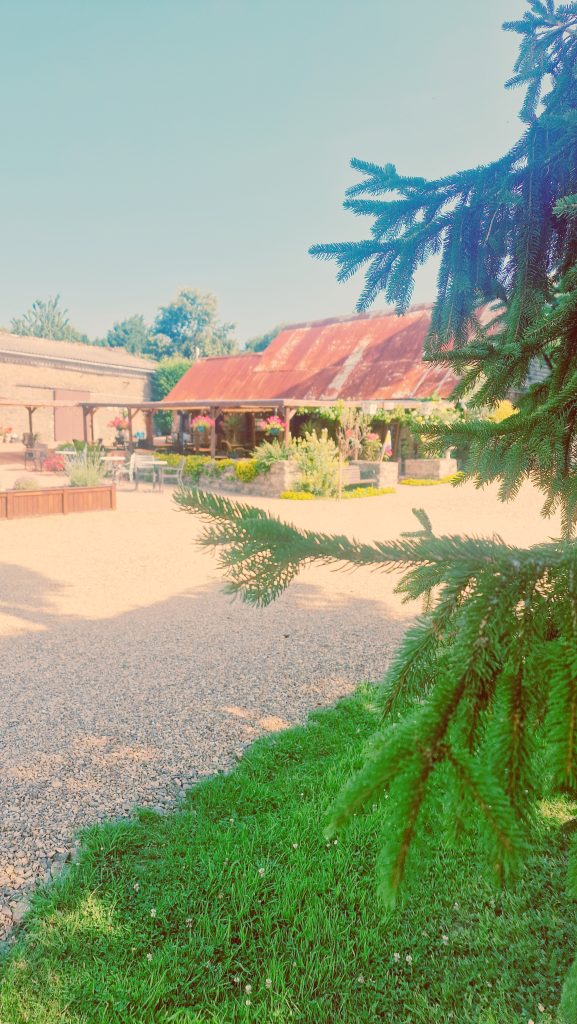
When a guest says “everything runs so smoothly here”, that sentence usually sits on top of:
- You getting up early to fix something before anyone notices
- Three camper request emails
- A quiet panic about a storm, a leak, or a broken fridge
- You wiping down tables at midnight because you’re the cleaner too
Campsite life is full of tiny, invisible jobs:
- Checking toilets and showers constantly
- Keeping bins under control
- Stocking the bar/restaurant and doing last-minute shopping runs
- Answering booking emails at odd hours
- Updating social media even when you’re shattered
If you like being hands-on, fixing problems and making people feel welcome, it’s oddly satisfying.
If you want something “set and forget”… a seasonal campsite isn’t that.
3. Your home becomes part of the experience
No one warns you how weird it is when:
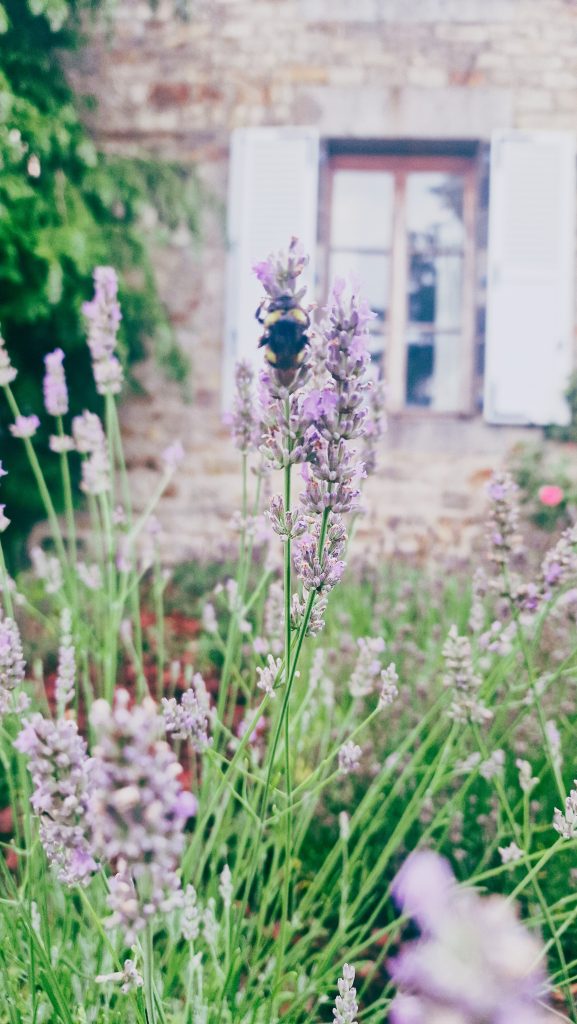
- The place you live is also someone’s holiday
- People are constantly arriving, watching, forming opinions
- You answer the same “So how did you end up here?” 5 times per day
You’ll need boundaries:
- Clear times when reception is open and closed
- A way to step out of “host mode” and just be a human in your own home
- Rules around who comes near your living space, especially if you have pets or family
It’s beautiful and bizarre at the same time: you can step outside with a coffee and see families enjoying what you’ve built… but you can also never fully “leave work”.
4. The weather decides more than you think
On a seasonal campsite, the weather is basically your silent business partner.
- A rainy August can hurt bar and restaurant takings
- A heatwave can overwhelm your water, shade and guests’ tempers
- Storms can mean late-night checks of trees, tents, electric points and awnings
You can’t control the weather, but you can control how prepared you are:
- Good drainage and sensible pitch layout
- Clear communication with guests (what to expect, what to bring)
- Backup plans for rainy days (games area, covered spaces and a list of museums)
5. The bar & grill can make or break your sanity
If your campsite has a bar or grill, remember:
- It’s almost a second business on top of the campsite
- Staff are often seasonal and sometimes inexperienced
- Guests don’t separate “campsite” from “restaurant” – to them, it’s one experience
Keep things simple:
- A small, tight menu you can execute well, even on busy nights
- Clear prep routines, stock lists and closing checklists
- A few “hero” items guests talk about (for us it’s our burgers and fish & chips))
You don’t need to be a fancy restaurant. You need to be reliable, friendly, and good at a handful of things.
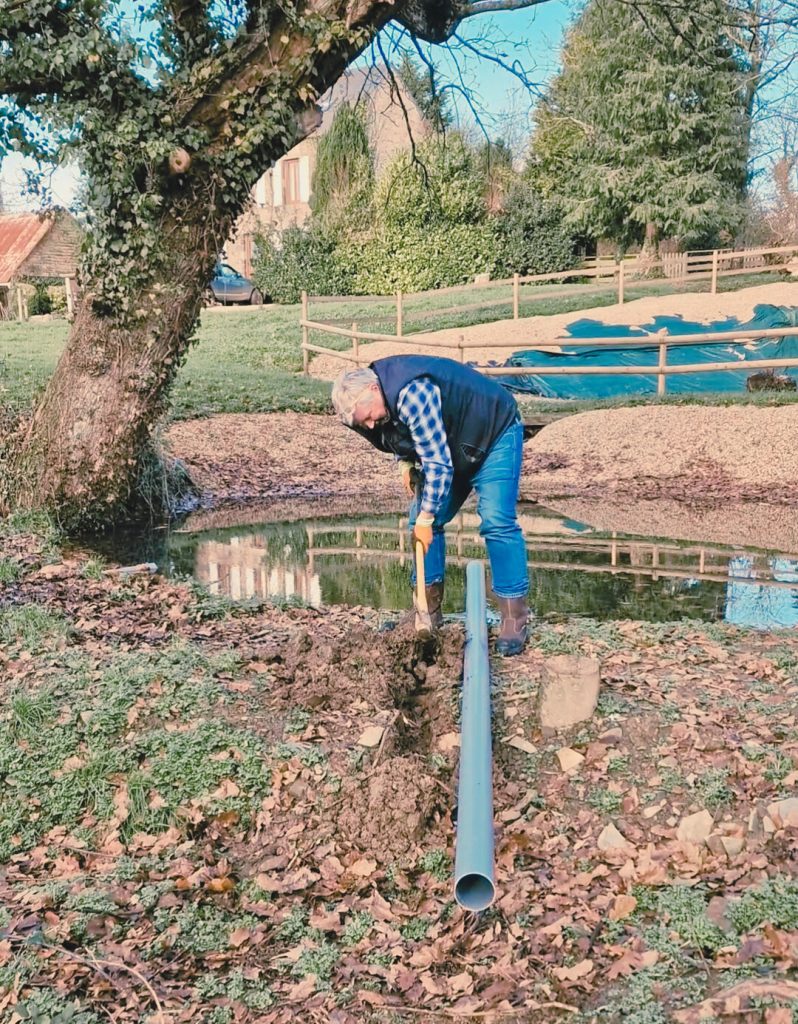
6. Off-season can be terrifying… or full of opportunity
Here’s the bit no one tells you when you sign the papers:
From about October to March, the money slows or stops completely, but the outgoings don’t.
You’ll still have:
- Insurance
- Taxes
- Utilities
- Repairs and upgrades
- Marketing costs for next season
This is why I started Seasonal Success Hub.
Because your options in the off-season aren’t just:
- Stress about money and wait for spring, or
- Open in miserable winter conditions and exhaust yourself
You can also:
- Use the quieter months to create digital income streams
- Turn your experience into guides, checklists and mini-offers other seasonal owners will pay for
- Build a Pinterest-driven blog (like this one) that brings you bookings and buyers even when the gates are shut
You’re reading one of the first posts on a site built to help with exactly that.
7. Would I still do it again?
Yes.
With better information, better systems, and a better off-season plan? Absolutely.
Running a seasonal campsite is:
- Hard work
- Emotional
- Messy
- Ridiculously rewarding when you see people making memories on land you look after
If you’re thinking about buying one, don’t just ask:
“Can I imagine myself living in this farmhouse and walking around the pitches?”
Also ask:
“Am I ready to be a host, problem-solver, planner, marketer, bookkeeper and bar/restaurant manager… sometimes all in the same day?”
If the answer is still yes, you’re my kind of person.
What’s next?
This is just the beginning.
Here on Seasonal Success Hub, I’ll be sharing:
- Honest behind-the-scenes of running a seasonal campsite
- Simple ways to earn money in the off-season (without opening the gates)
- Practical tools you can use straight away – not just “one day when I have time”
If you’d like help turning your seasonal business into something that supports you all year, make yourself a coffee and stick around.
You’re not the only one trying to figure this out – and you don’t have to do it alone. 💛
Ready to plan your own campsite the smart way?
Download my free Profitable Off-Season Plan and start mapping out how your future campsite can earn money beyond the summer rush.
Header photo credit:
Linda Devisch